Punar
Hunar
Punar Hunar means skills renewed and craft reimagined, placing the maker and their expertise at the centre. Across craft revival and tourism linked livelihoods, it reflects how traditional skills find new expressions, applications and markets.
We work with traditional artisan communities to strengthen craft-based livelihoods through craft revival, design innovation and market-linked opportunities.
By bringing together craft knowledge, community aspirations, contemporary design and market insights, the program helps create new applications for traditional skills while ensuring that the identity and integrity of each craft remains central.
The Challenge
India’s traditional crafts carry generations of knowledge, material intelligence and highly specialised making skills.
Yet many crafts face declining demand, limited product diversification and weak
connections to contemporary markets.
When crafts are unable to respond to changing
needs and applications, artisans may find it increasingly difficult to sustain their
practice or pass their knowledge on to future generations.
The challenge, therefore, is not simply to preserve a craft, but to keep it relevant, valued and economically viable for the communities that practise it.
Our Approach
We begin with the craft, the community and the market context.
Craftizen works alongside artisan communities, designers, institutions and industry partners to understand existing skills, local aspirations and potential market opportunities.
Together, we explore how traditional craft knowledge can be adapted into relevant products, experiences and applications without losing its cultural identity.
Our interventions include craft documentation, skill and capacity building, design collaboration, material exploration, product development, prototyping, production systems and market connections.
Through Craft Revival and Craft & Tourism, Punar Hunar helps traditional skills find new expression, connect with evolving markets and create stronger livelihood opportunities for artisan communities.
Craft and Tourism
Creating Tourism-Linked
Craft Livelihoods
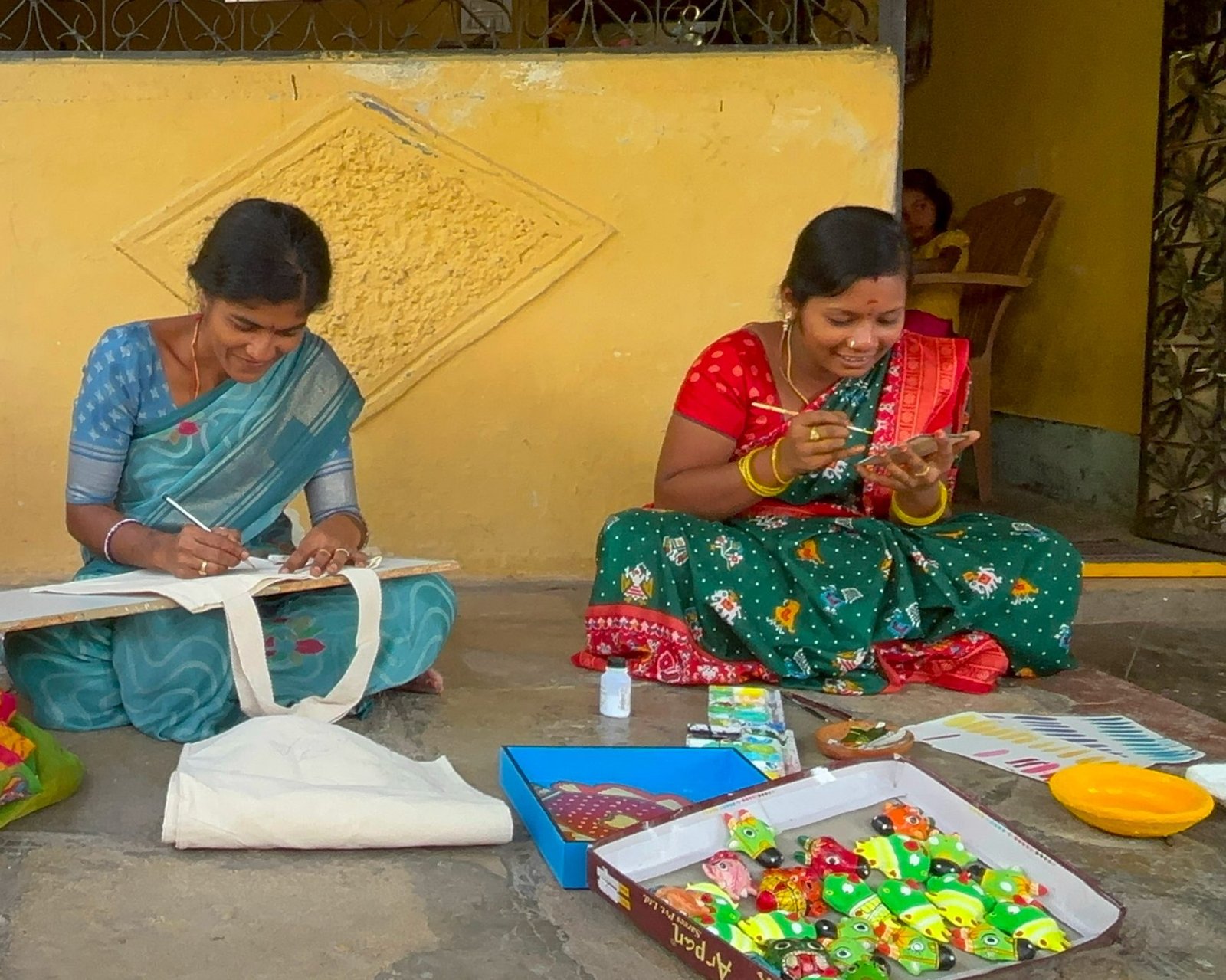
We work with artisan communities to develop locally rooted souvenirs and cultural experiences, strengthen skills and create connections to tourism markets.
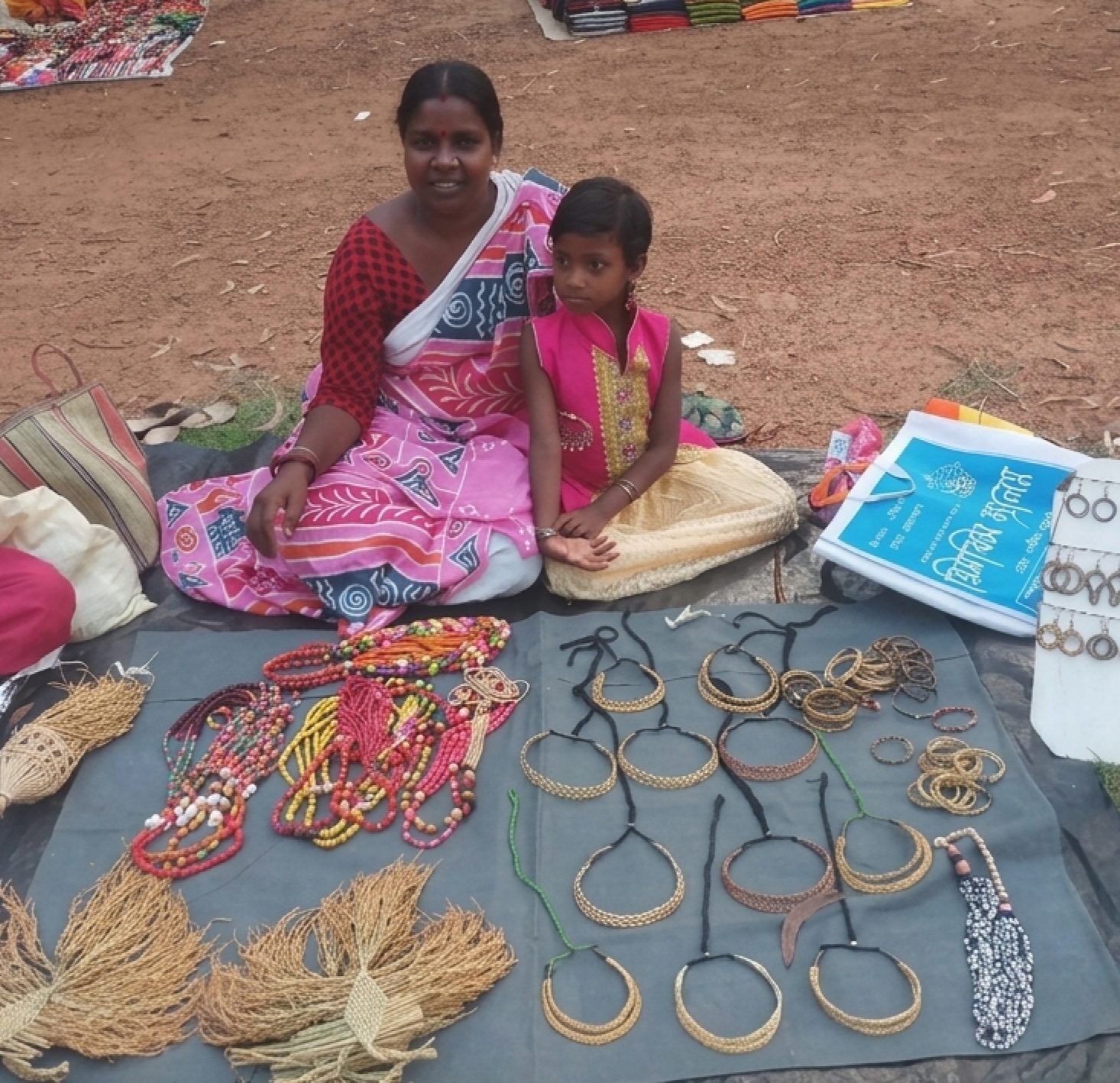
This approach builds on our work with the Women’s Interlink Foundation in Shantiniketan (Bolpur, West Bengal), where 650 women from rural and tribal communities were trained in craft skills including Bena grass jewellery, Kantha embroidery, macramé, tailoring and local cuisine.
By connecting design development and enterprise training with local haats, retail outlets and tourist demand, the initiative enabled women to build income opportunities rooted in their local craft heritage.
Using our Tourism Readiness Framework, we are now exploring similar opportunities across Hampi–Anegundi, Mysuru–Channapatna and Udupi, with four craft clusters identified for design pilots.
Craft Revival
Reviving Traditional
Indian Crafts
Every intervention begins with the craft and its community, helping traditional skills evolve while creating stronger products, wider markets and more resilient livelihood opportunities.
In Banaras, artisan communities had been using their woodcraft skills to make children’s toys and religious figures for decades. Through design interventions, Craftizen introduced contemporary forms, products and color palettes suited to working professionals and older retail customers. By building on the artisans’ existing expertise, the initiative expanded the craft’s product range and opened access to a wider market.
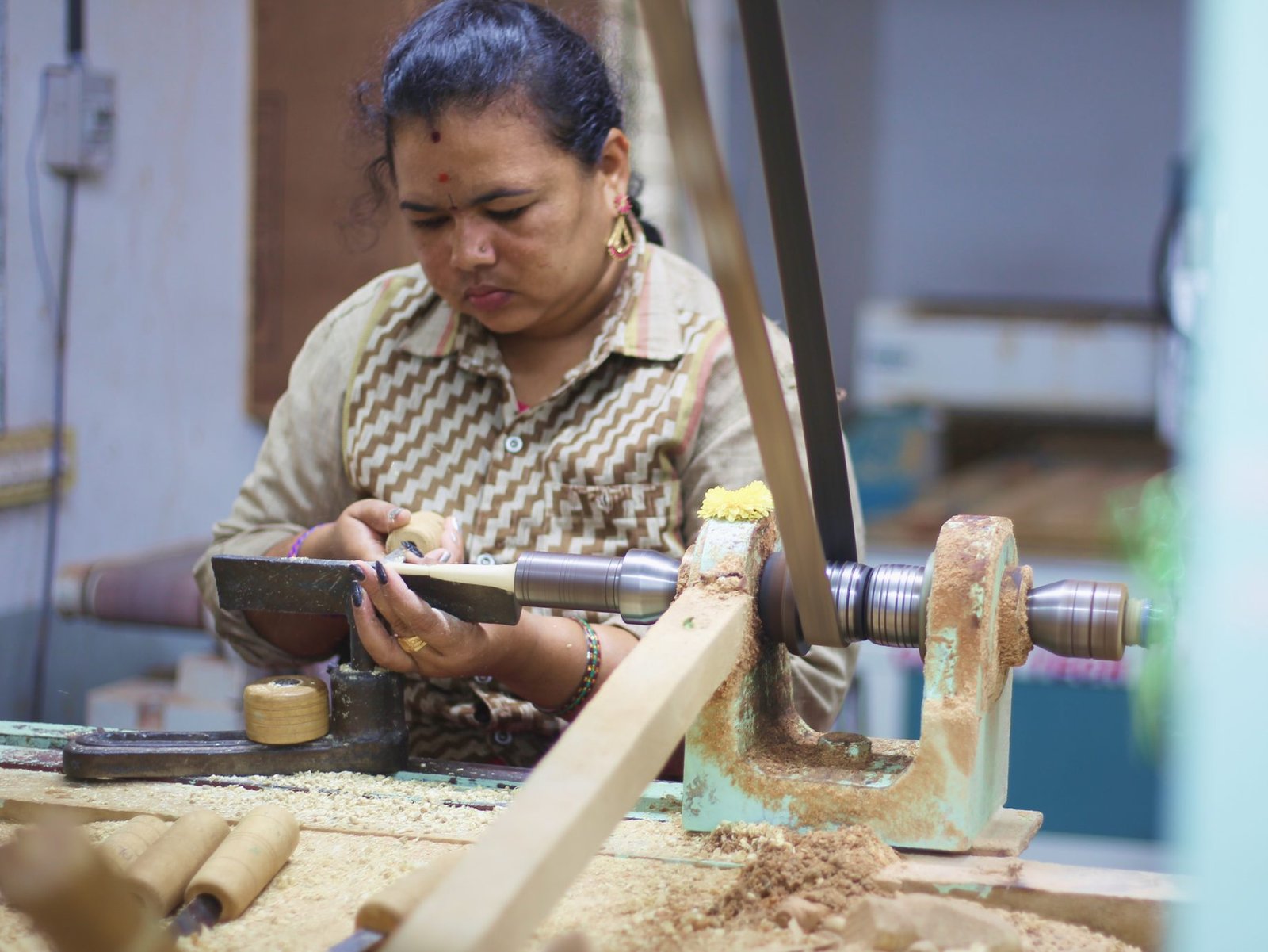
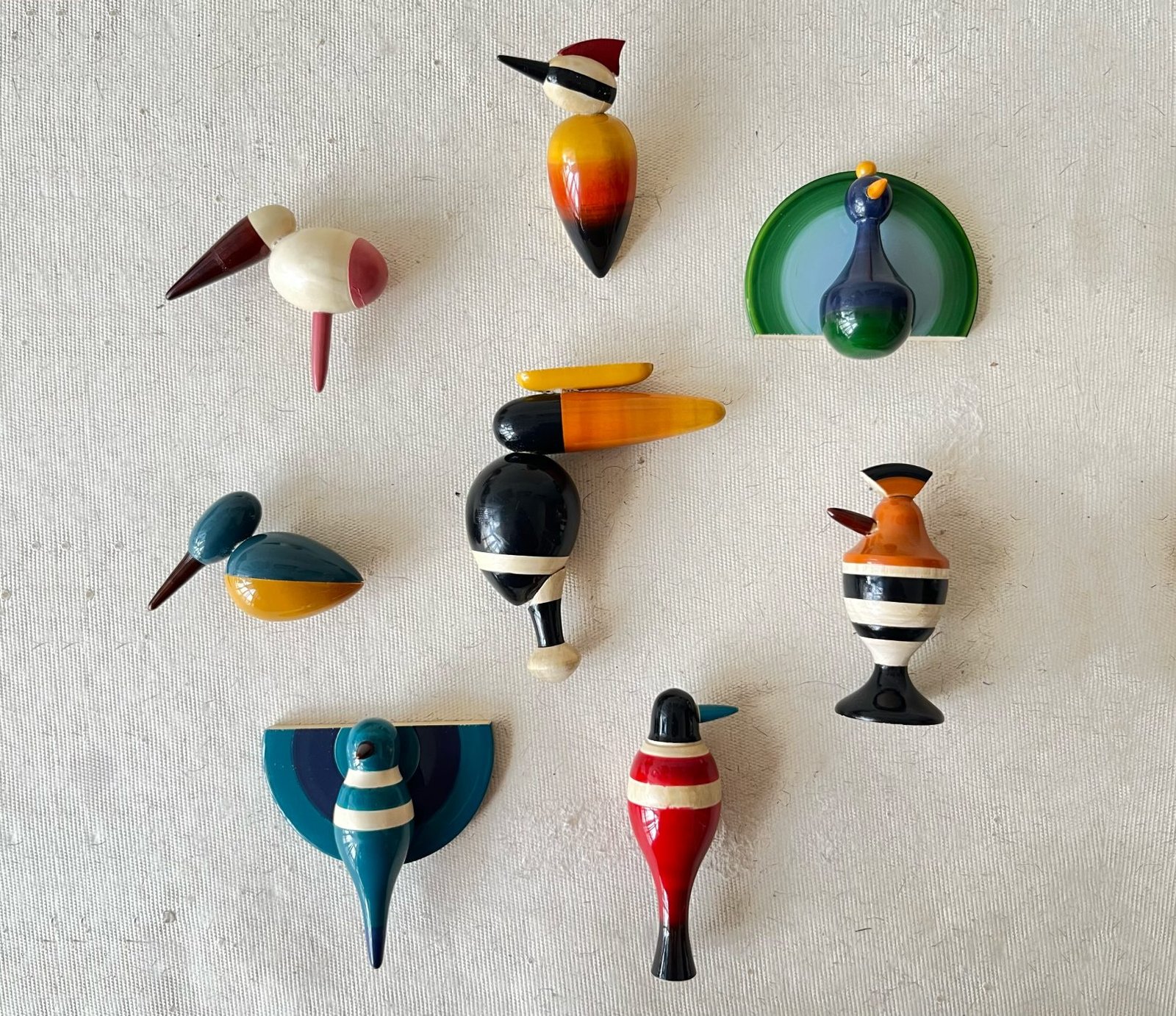
In Channapatna, Karnataka, known as Gombegala Ooru, or the “Toy Town of Karnataka”, lacquerware has been shaped into colourful toys and everyday objects for generations. Craftizen established a Design Innovation Lab here in 2022, bringing traditional wood-turning skills together with contemporary design, tools and technology.
The Lab creates new possibilities for experimentation, prototyping and product development, helping this celebrated craft evolve for new applications and markets.
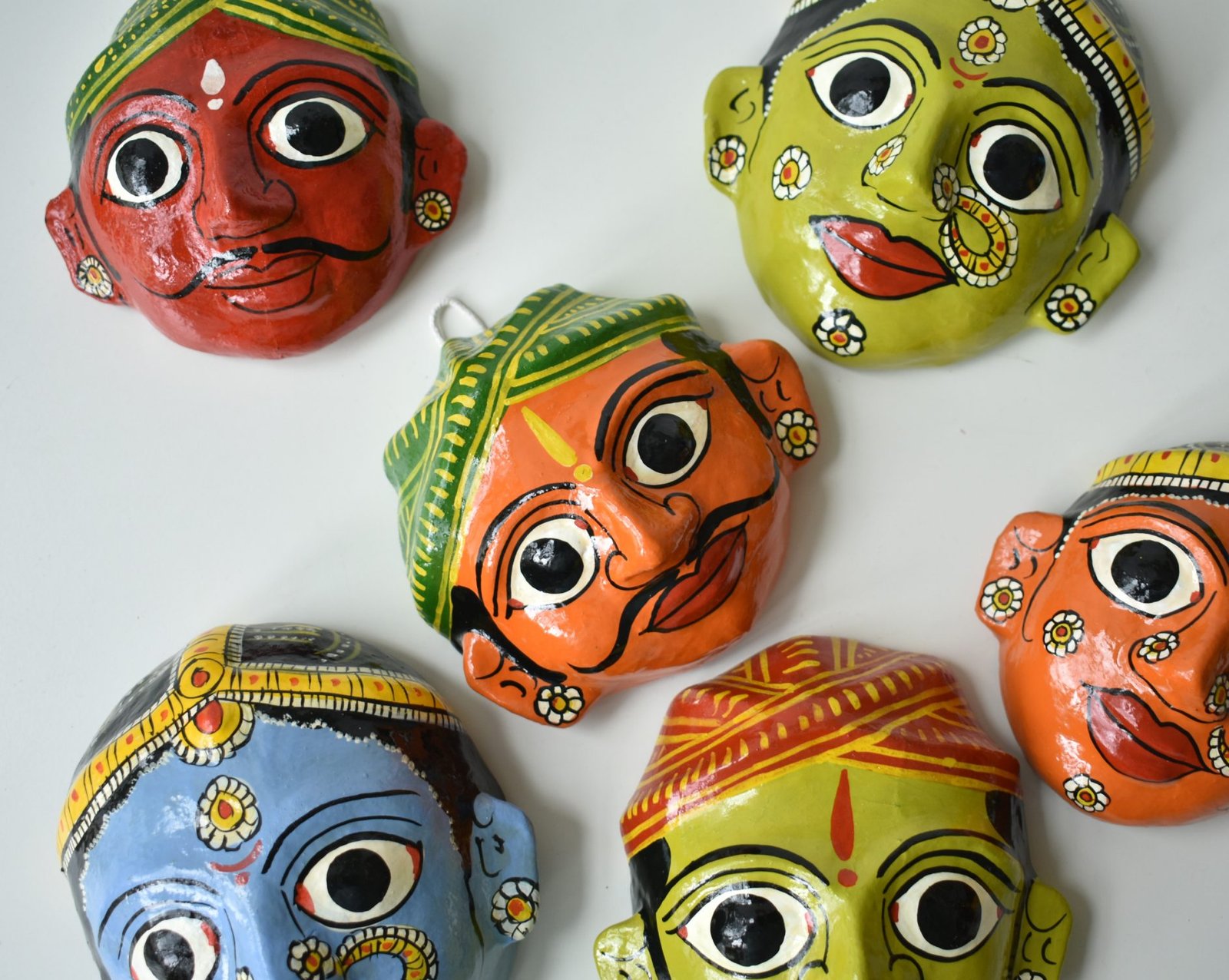
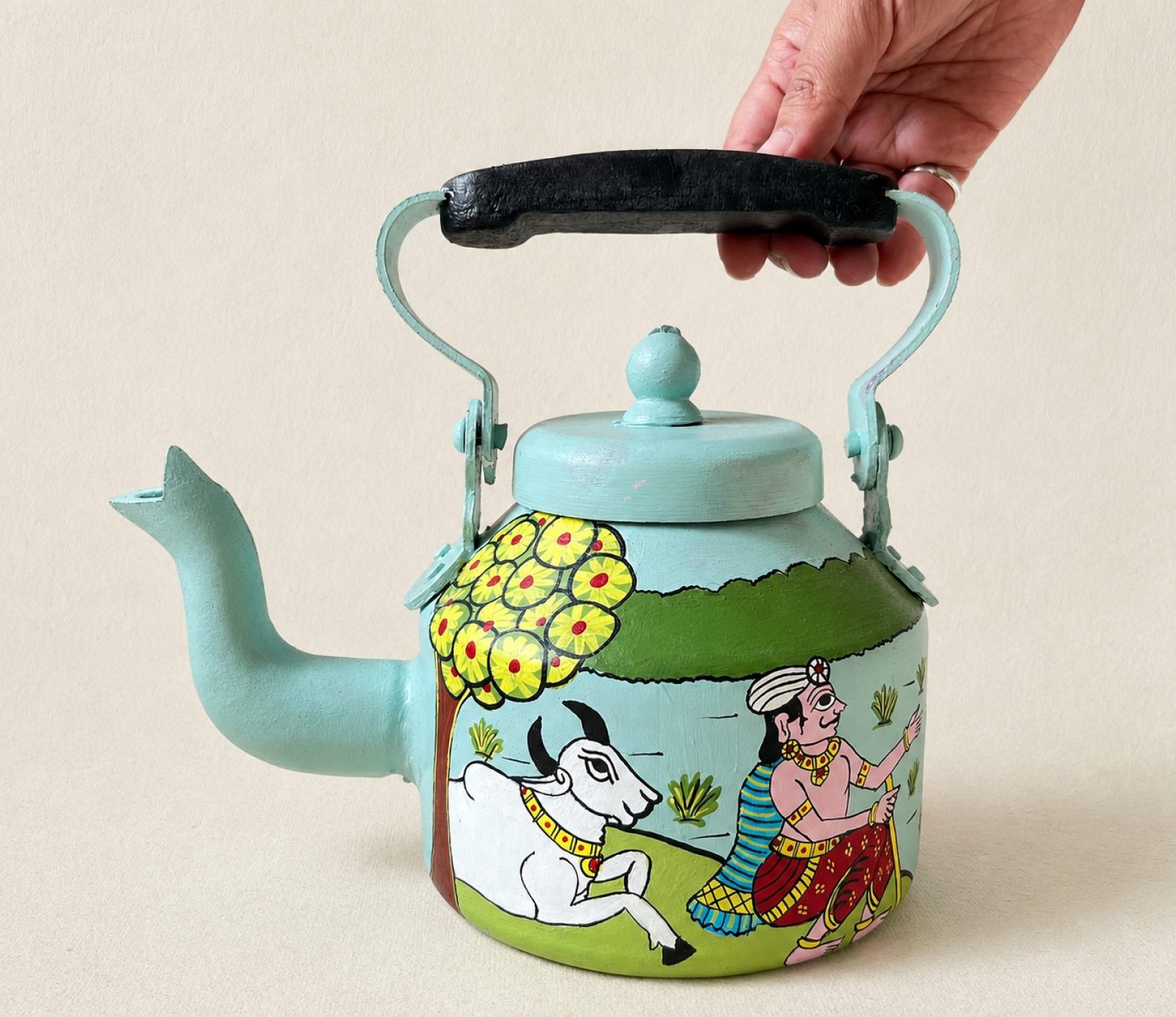
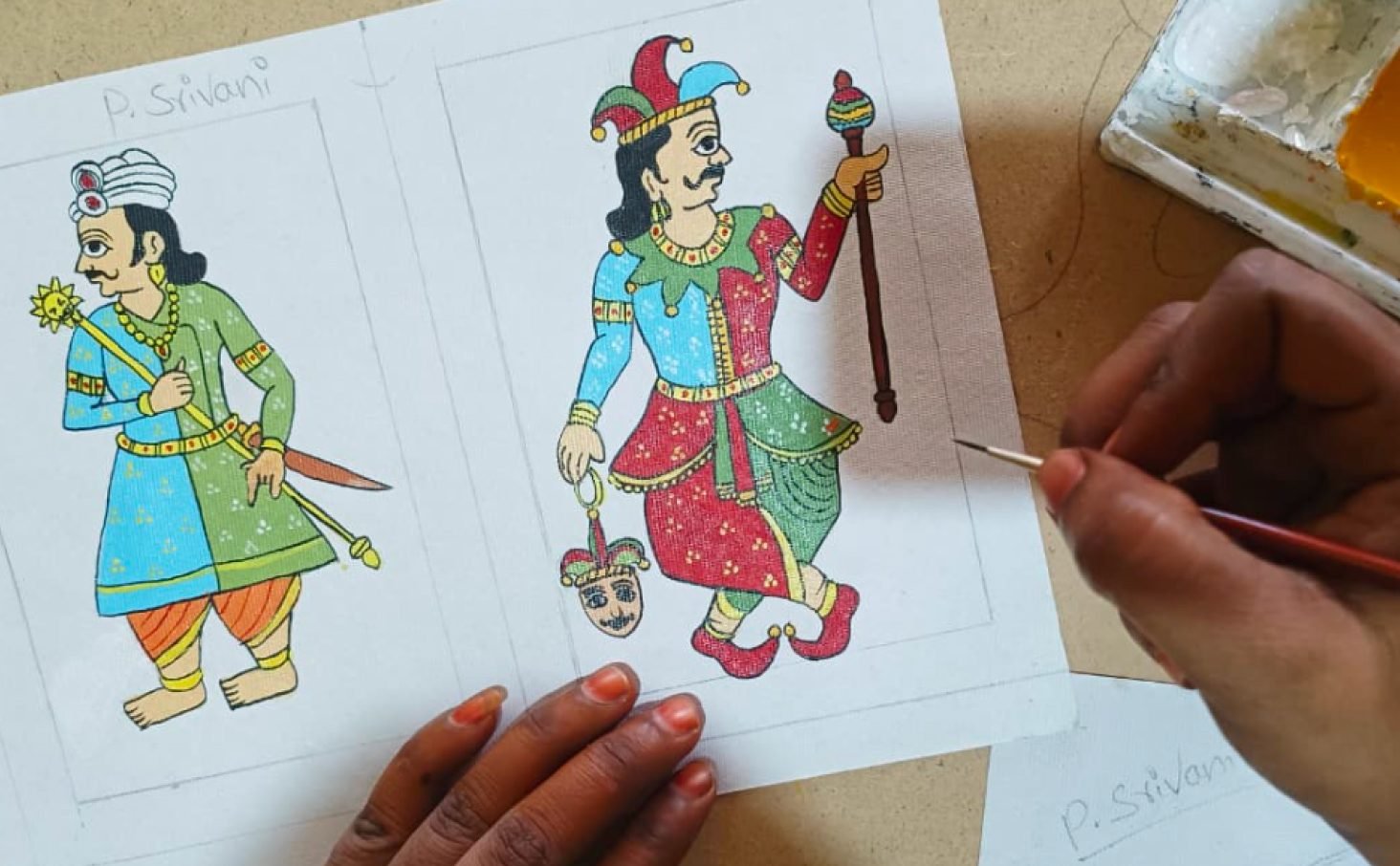
In Cheriyal, Telangana, we work with the few remaining master Nakashi artisan families to carry this distinctive storytelling tradition forward. Known for its hand-painted scrolls, masks and dolls depicting stories from mythology, the craft was being practiced by just seven families when Craftizen began its revival program in 2022. By training women from the village in craft skills and contemporary design, the initiative has since doubled the number of practicing artisans.
Today, these women work as skilled artisans at the local livelihood centre creating new possibilities for the craft while proudly carrying its stories forward.
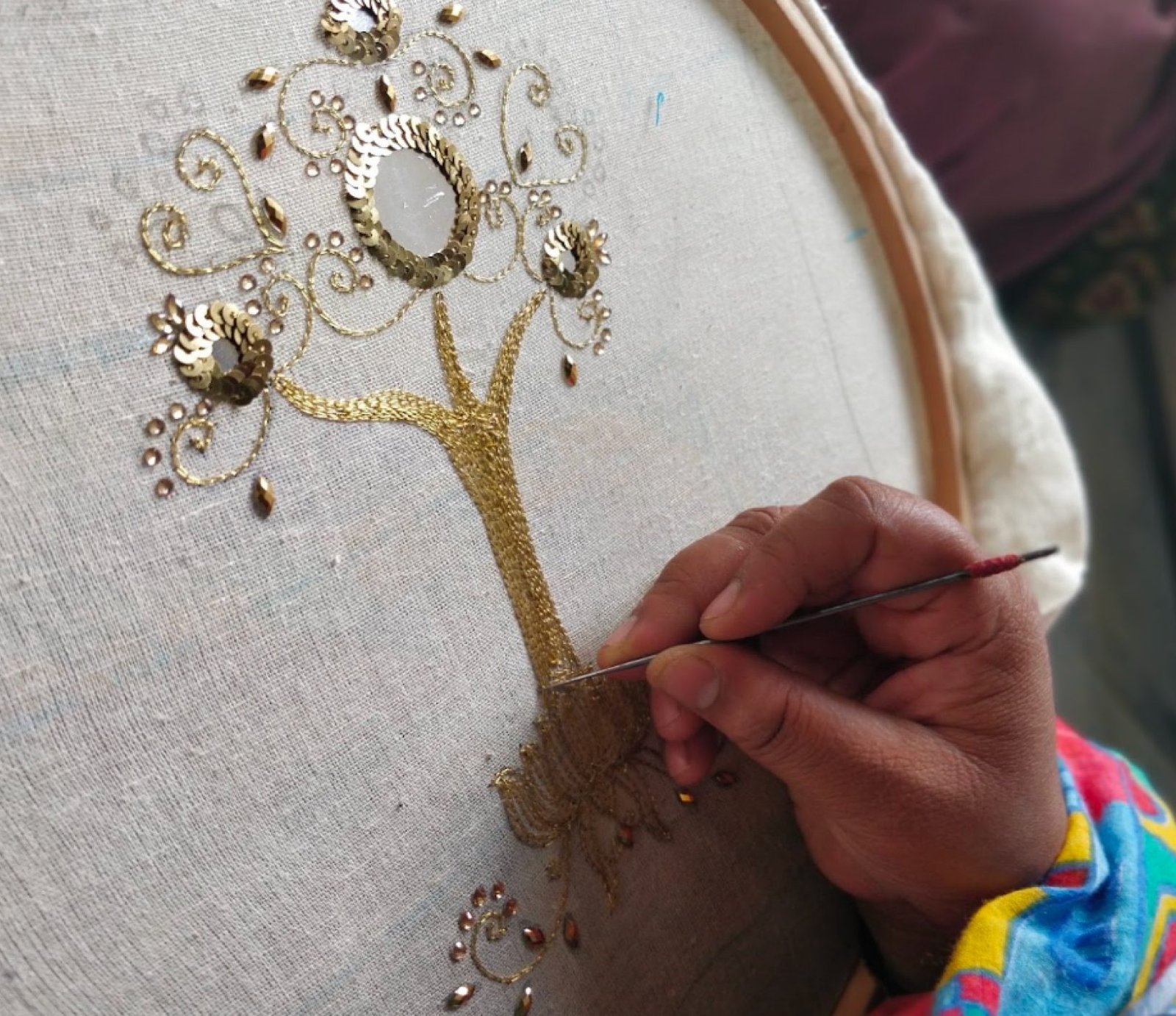
Our work in Zardosi embroidery has created another pathway for women to participate in a highly skilled traditional craft. Craftizen is among the few organizations in India to have trained women in this intricate embroidery technique, enabling them to develop specialized skills and explore new livelihood opportunities.
Sarathi Kisku's Story
What began as a chance to learn a new skill became a pathway to income, confidence and a new beginning.
When Sarathi Kisku discovered the Bena grass jewellery program, she was recovering from a major surgery and could no longer take up physically demanding work. With limited options for earning an income, she joined the training and began learning a skill that suited both her abilities and circumstances.
Through advanced craft training, design mentoring and market exposure, Sarathi learnt to create her own variations in colour, form and size. A loan from her self-help group helped her build an initial stock of products, which she began selling at the WIF village centre and Sonajhuri Haat.
Today, Sarathi earns between ₹10,000 and ₹12,000 a month through sales and orders. Known for the quality of her work, she continues to experiment with new designs and has built a livelihood shaped by her creativity, determination and skill.
Let’s create new possibilities for Indian craft.
Whether you are a corporate, funding organisation, design professional, institution or ecosystem partner, collaborate with Craftizen to revive traditional crafts, drive design innovation and create stronger market and livelihood opportunities for artisan communities.